







Tiny Footprints
Childhood in the Ancient Land of Israel
-
 August 4 2026 - February 27 2027
 Curator: Tali Sharvit
Assistant Curator: Tamar Cohen-
Designer: Alexandra Topaz
-
 Bella and Harry Wexner Gallery
Children were always an integral part of human society, yet for generations they were almost entirely absent from the story we told about our past. While their archaeological footprints are hard to identify, it seems they were also not actively sought out: the objects, depictions, and remains that bore witness to the children’s world were either misinterpreted or simply ignored.
In recent decades, the study of children in the ancient world has gained significant momentum, thanks in part to the integration of archaeological findings with diverse and even disparate fields of research. Today childhood is widely seen, not only as a biological stage in human life but also as a social category that varies across cultures and eras.
This exhibition reexamines the evidence in an attempt to place children at the center of the stage. The objects on display, hailing from the Land of Israel and neighboring cultures such as Mesopotamia, Egypt, Phoenicia, Greece, and Rome, illuminate the lives of children from prehistory to the end of the 1st millennium CE. The exhibition tells their story from birth to adolescence, while also encompassing death and loss, which were present in daily life because of the high mortality rates. We see the children through the objects they used, as well as those they themselves created; depictions in art; inscriptions and texts; and even biological remains. Together, they reveal vast differences between diverse cultures and eras, as well as surprising similarities that cross boundaries of time and place.
We will probably never know what childhood in the ancient world really looked like, but this exhibition invites you to observe closely the surviving clues – they will allow you to piece together a vivid and poignant picture of the world of children in antiquity.
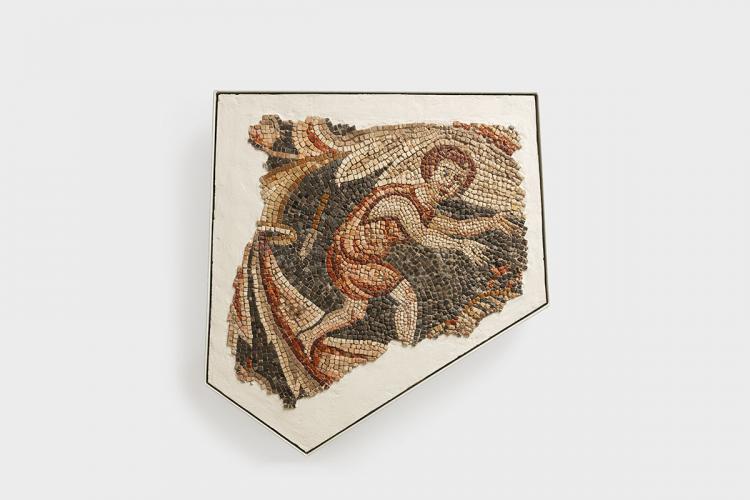
Mosaic fragment depicting a boy wearing a short tunic
Bet She'an, 4th–6th century CE, Stone. Israel Antiquities Authority
Photo © The Israel Museum, Jerusalem, by Zohar Shemesh
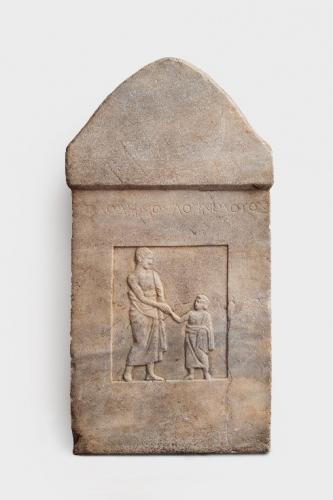
Funerary stele depicting a boy about to become a citizen and head the household
Athens (?), 4th century BCE, marble. The National Maritime Museum, Haifa Museums
Photo © The Israel Museum, Jerusalem, by Zohar Shemesh
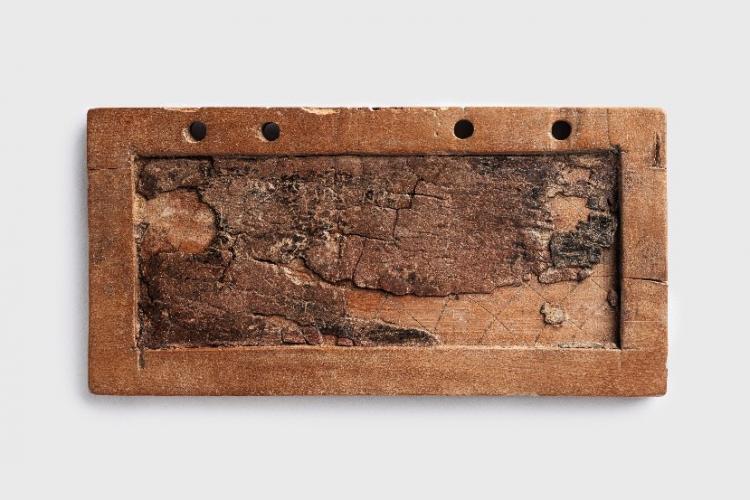
Writing tablet
Nessana, Byzantine period, wood and wax. Israel Antiquities Authority
Photo © The Israel Museum, Jerusalem, by Zohar Shemesh
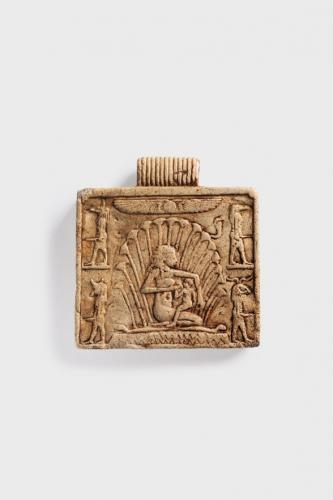
Pendant depicting Isis nursing Horus against a background of Delta vegetation, alongside the waters of the Nile and protective deities
Egypt, Late period, 7th-4th century BCE, glazed steatite. The Israel Museum: The Harry Stern Collection, bequeathed by Dr. Kurt Stern, London, in memory of his parents and his brother, who perished at Sobibor
Photo © The Israel Museum, Jerusalem, by Zohar Shemesh
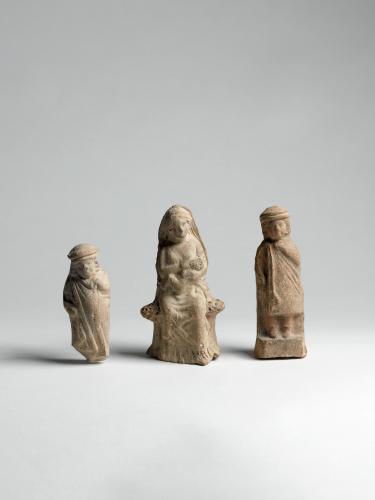
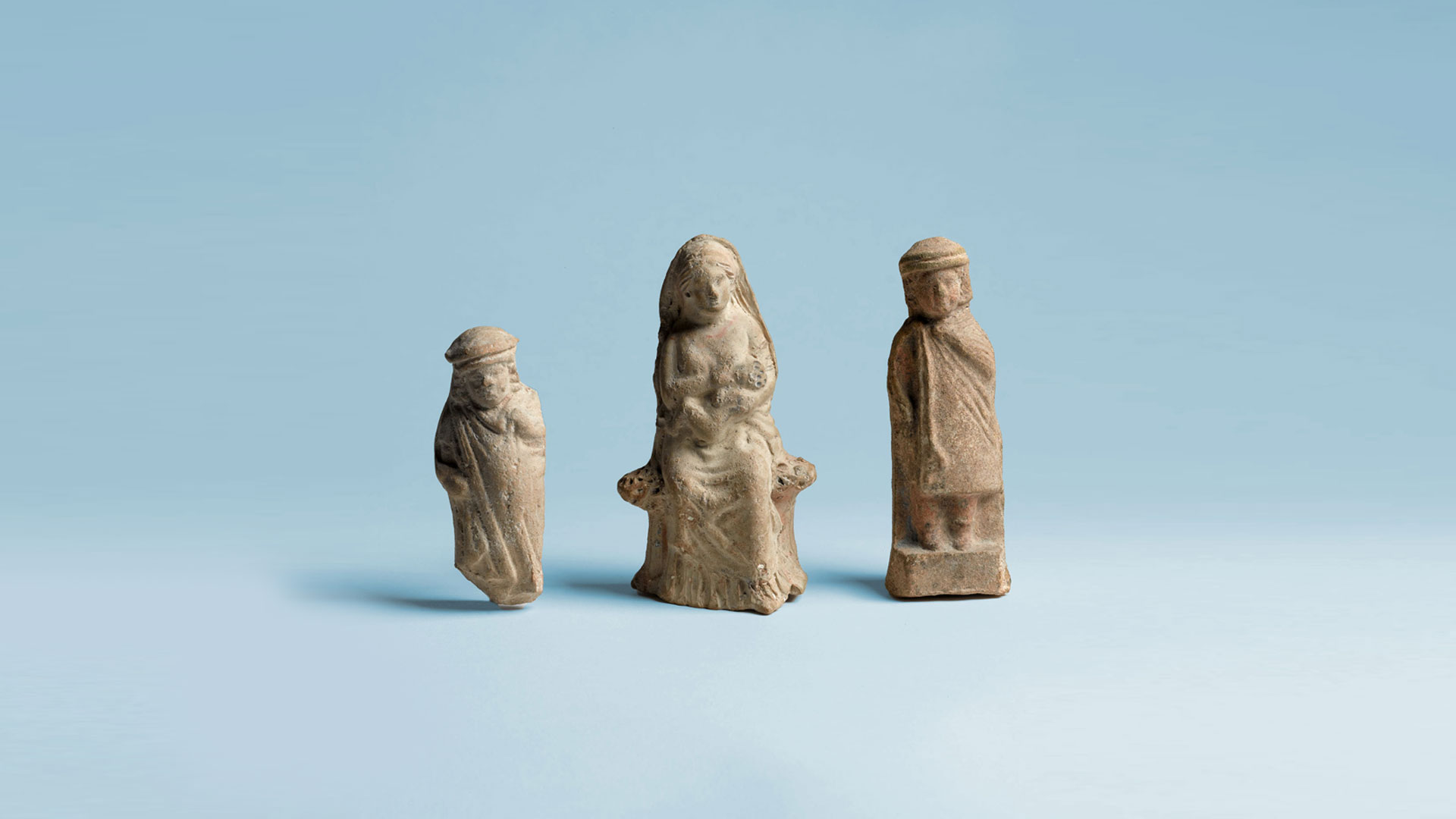
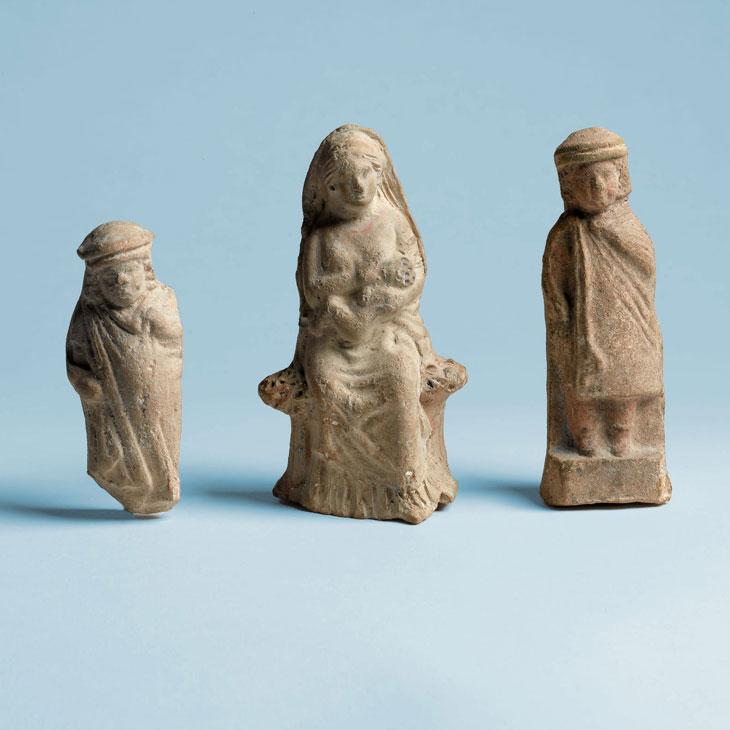
Figurines depicting a child, a woman suckling an infant, and a youth
Maresha and Akko, Hellenistic Period, terracotta. Israel Antiquities Authority
Photo © The Israel Museum, Jerusalem, by Meidad Suchowolski


 Sep 23Sep 24Sep 27Sep 28Sep 29Sep 30Oct 01Oct 02Oct 03
 Oct 03Oct 10Oct 17Oct 24Oct 31
 Sep 23Sep 24Sep 27Sep 29Oct 01Oct 05Oct 07Oct 08Oct 12Oct 14Oct 15Oct 19Oct 21Oct 22Oct 26Oct 28Oct 29
 Sep 23Sep 28Sep 30Oct 05Oct 07Oct 12Oct 19Oct 21Oct 26Oct 28
 Oct 05Oct 07Oct 08Oct 12Oct 15Oct 19Oct 21Oct 22Oct 26Oct 28Oct 29
 Oct 06
 Oct 06Oct 09Oct 10Oct 13Oct 16Oct 17Oct 20Oct 23Oct 24Oct 30Oct 31
 Oct 07
- Sep 24Oct 01Oct 08Oct 15Oct 22Oct 29