







Fleeting Beauty in European and Asian Art
-
 August 10 2026 - February 28 2027
 Curators: Adina Kamien, Efrat Aharon, Miriam Malachi
-
Designer: Chen Mazuz
-
 Gallery for Impressionist and Post-impressionist Art
Beauty surfaces for a moment and then it vanishes.
Across eras, continents, and media, artists were drawn to transient conditions – light, atmosphere, and season. French Barbizon School painters of the mid-19th century abandoned academic idealization in favor of direct observation, studying natural effects in the Forest of Fontainebleau. Working alongside them, Fontainebleau photographers explored soft focus, tonal effects, and the photographic process. Inspired by these painterly photographs, the early 20th-century Pictorialists evoked memory and mood – transcendent encounters with nature.
French Impressionist artists pushed Barbizon School investigations further. Painting outdoors, without preparatory studies, they observed that color is continuously altered by atmospheric conditions and reflections. Their rapid brushstrokes in complementary hues dissolve solid forms into optical vibration. Under their hand, reflective surfaces – rivers, harbors, expanses of sea – are transformed by light.
The fascination with the fleeting nature of time was already present in Chinese landscape painting of the Song dynasty (960–1279), where it was viewed through the broader ethical stance of striving to keep cosmic harmony between human beings and nature. Daoist philosophy (Dao meaning “the way” in Chinese) encouraged artists to explore the life force of constant renewal and change. By leaving large areas of their paintings empty, they achieved a balance between the invisible and formless on one hand and tangible form on the other. Thus, luminous views of mountains, sky, and water provide moments of contemplation and moral cultivation.
Another approach to transience is found in the Buddhist teachings of materiality and non-materiality, explored in Japanese art. In the Edo period (1603–1868), artists expressed the Japanese concept of mono no aware – meaning “the beauty of things passing” – in moments poised between appearance and disappearance. A boat drifting through mist, blossoms at the threshold of decay, a bird in flight. Artists evoked nature’s changing states, inviting us to contemplate the ebb and flow of time.
Culled from the Israel Museum’s rich collections, the works displayed here immortalize transitory moments. Contemporary artists continue to transform the act of looking into an awareness of temporality.
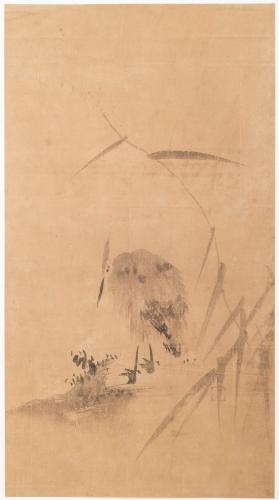
Egret Among Reeds
Japan, ca. 1600
Ink on paper
The Jacob Pins Collection in the Israel Museum
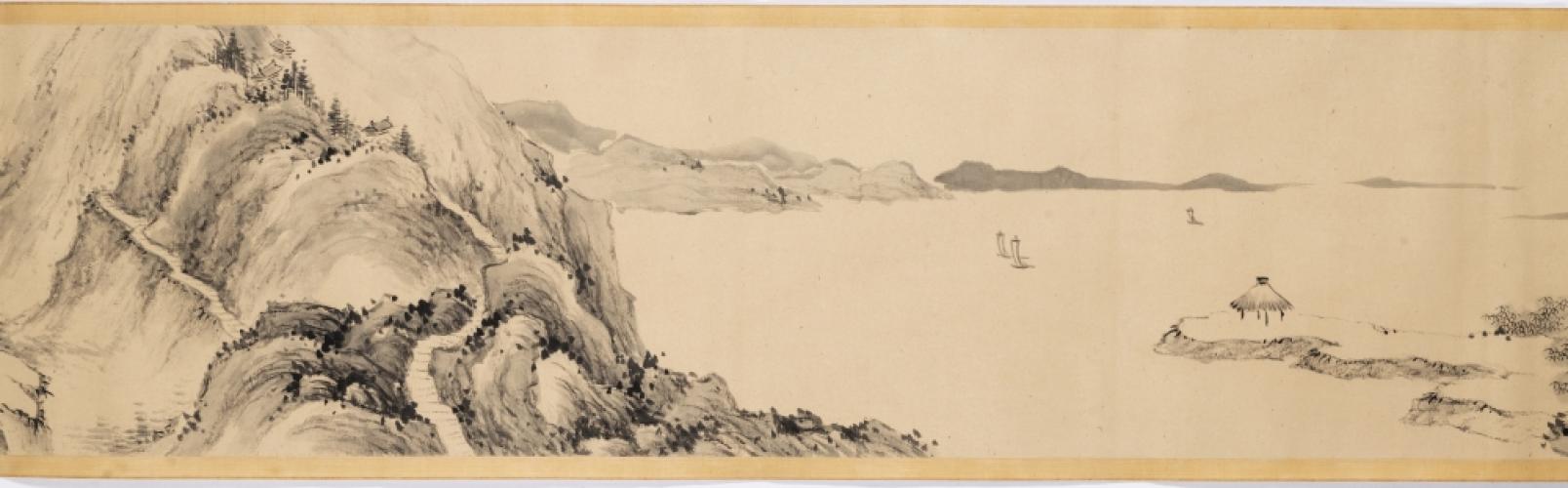
Taizan Hine, Japanese, 1813–1869
Landscape
Japan, mid-19th century
Ink on paper
The Jacob Pins Collection in the Israel Museum
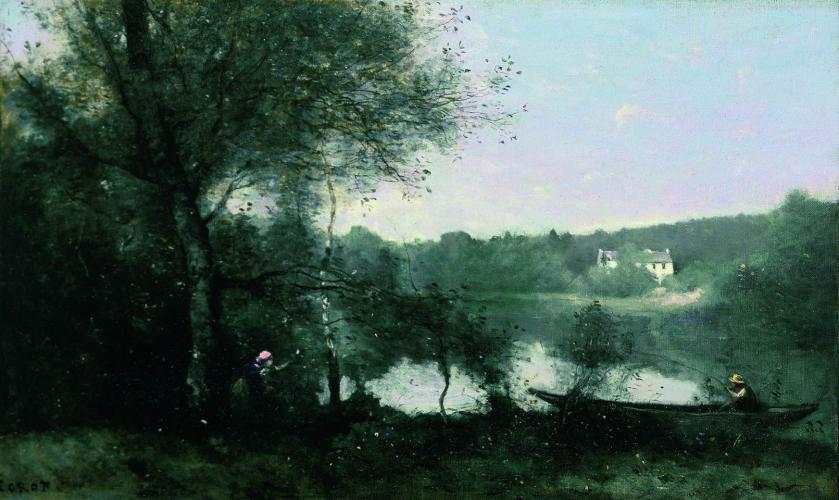
Jean-Baptiste-Camille Corot, French, 1796–1875
The Town of Avray, by the River, undated
Oil on canvas
Gift of Sam Weisbord, Los Angeles, to American Friends of the Israel Museum, in loving memory of his mother, Goldie Weisbord
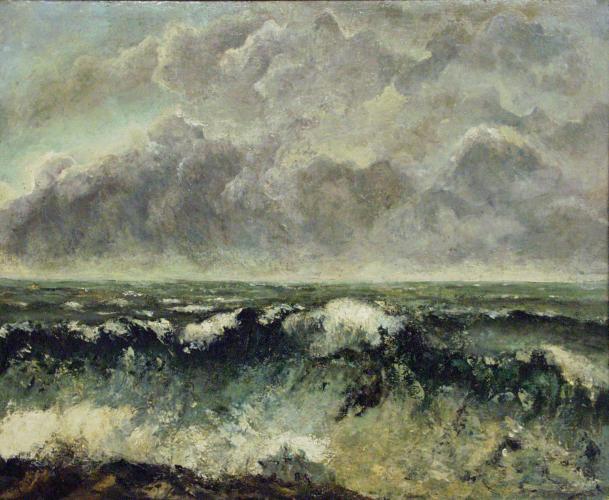
Gustave Courbet, French, 1819–1877
Seascape, 1869
Oil on canvas
Gift of Marie Zetlin, New York, in memory of her husband, Michail Zetlin
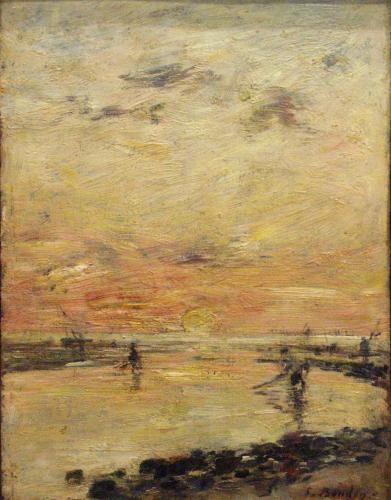
Eugène Boudin, French, 1824–1898
Boat on Shore, undated
Oil on panel
The Sam Spiegel Collection, bequeathed to American Friends of the Israel Museum
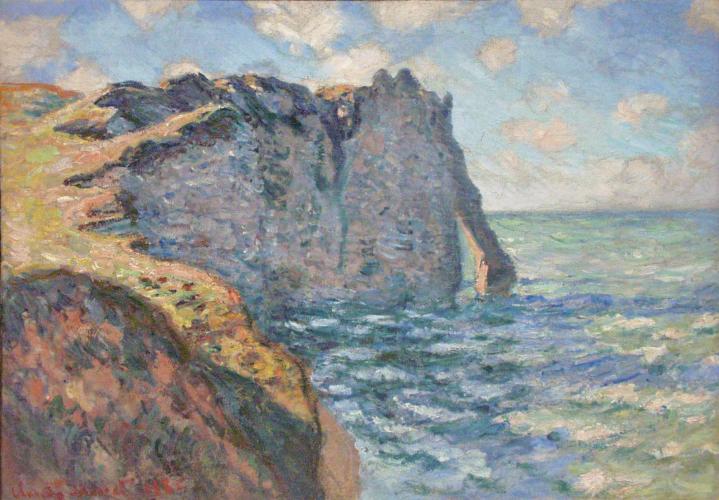
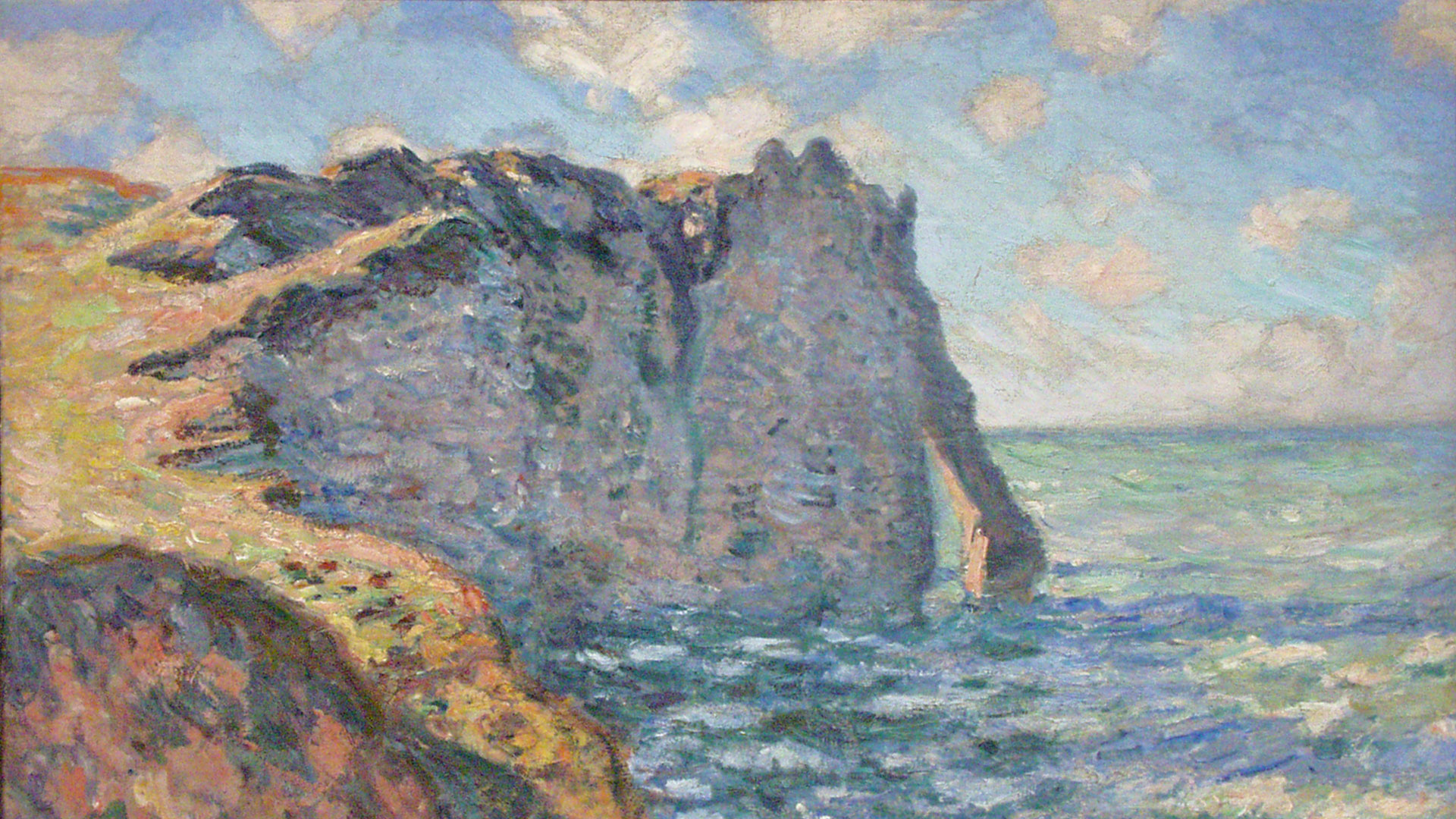
Claude Monet
French, 1840–1926
The Cliff of Aval, Etrétat, 1885
Oil on canvas
65.5 x 91.7 cm
Bequest of Marie Dabek, Paris, to the State of Israel, in memory of Jack and Mimi Dabek. On permanent loan to The Israel Museum, Jerusalem from the Administrator General of the State of Israel
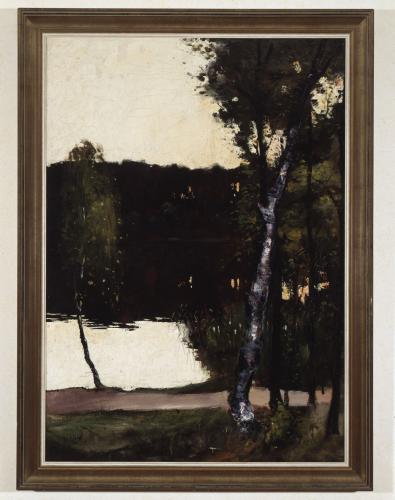
Lesser Ury, German, 1861–1931
Landscape, ca. 1900
Oil on canvas
Gift of Helgard and Irwin Field, California, to American Friends of the Israel Museum
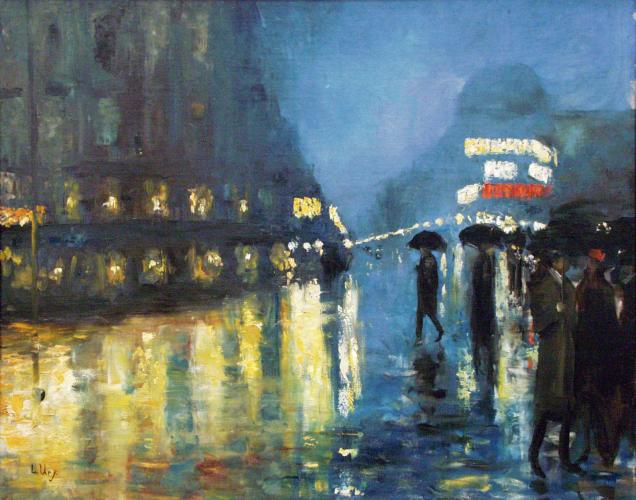
Lesser Ury, German, 1861–1931
Potsdam Square by Night, mid-1920s
Oil on canvas
From the Jewish Museum, Berlin, via JRSO (Jewish Restitution Successor Organization)


 Sep 28Sep 28Sep 30Sep 30
 Sep 27Sep 27Sep 27Sep 28Sep 28Sep 28Sep 29Sep 29Sep 29Sep 30Sep 30Sep 30Oct 01Oct 01Oct 01
 Sep 27Sep 28Sep 29Sep 30Oct 01
 Sep 23Sep 28Sep 30Oct 05Oct 07Oct 12Oct 19Oct 21Oct 26Oct 28
 Sep 23Sep 24Sep 27Sep 28Sep 29Sep 30Oct 01Oct 02Oct 03
- Sep 27Sep 27Sep 29Sep 29Oct 01Oct 01
 Sep 24Oct 01Oct 08Oct 15Oct 22Oct 29
- Sep 24Oct 01Oct 08Oct 15Oct 22Oct 29
 Sep 23Sep 24Sep 27Sep 29Oct 01Oct 05Oct 07Oct 08Oct 12Oct 14Oct 15Oct 19Oct 21Oct 22Oct 26Oct 28Oct 29