





Light
-
 May 1 2026 - February 15 2027
 Curator: Yarin Spinko
-
Designer: Eli Ben Arye
-
 European Art Galleries
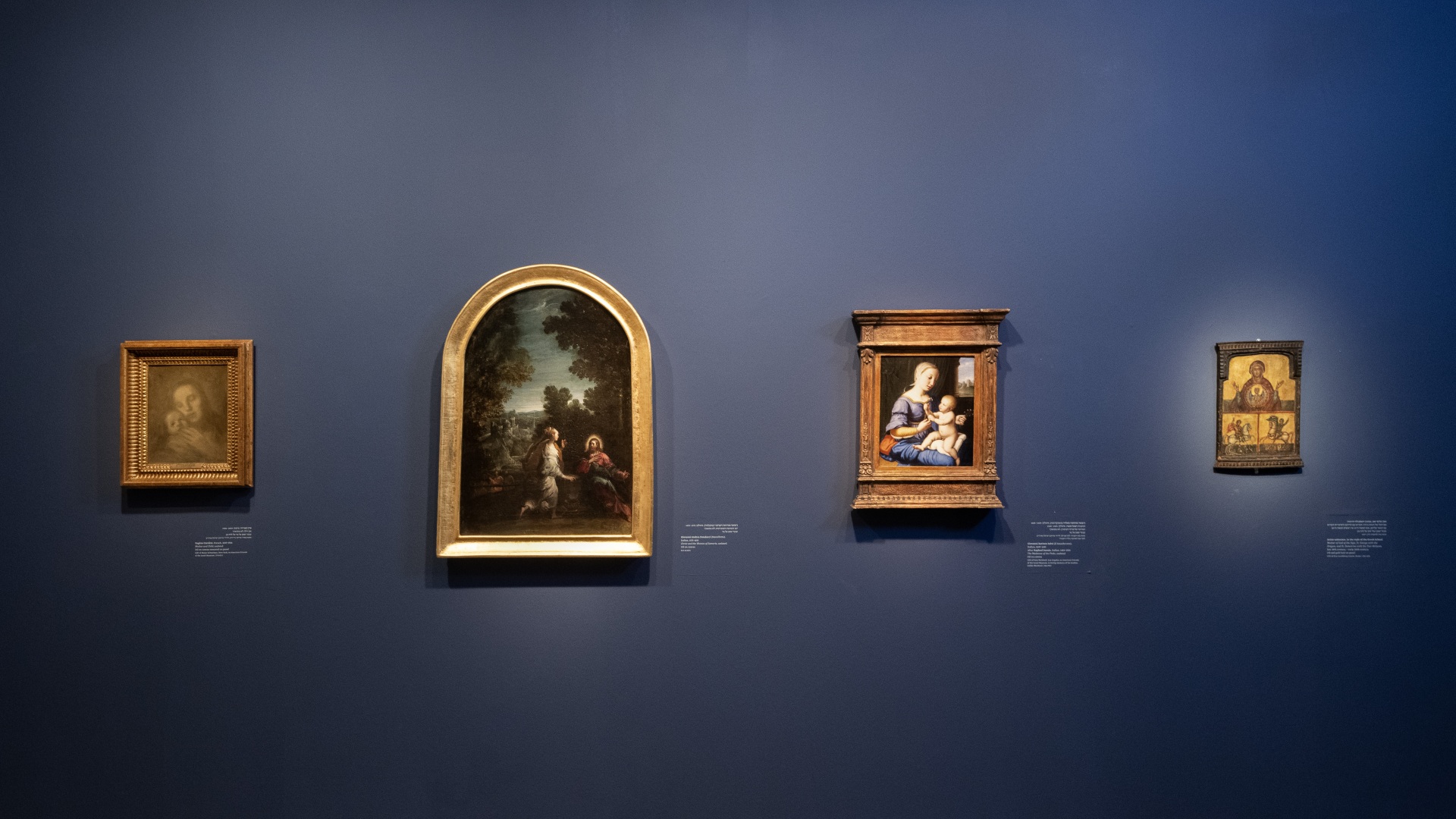
The evolution in the status of light – from a divine phenomenon to a human achievement – played a significant role in shaping European culture and especially the art of painting. As technology progressed and humans’ ability to control the presence and absence of light grew, light became a symbol of our power to shape our own world. In the medium of painting, light is not just a symbol but the very foundation – it gives the image its form and aesthetic qualities, and at times it can even become the subject matter itself.
Each one of the four sections in the space before you is dedicated to a specific aspect in the evolution of light in European painting. The use of a salient technique to represent light is particularly clear in the Greek icon, where the gold background represents light and symbolizes the spiritual and the sacred. It is also evident in Sassoferrato’s Madonna of the Pinks, executed with the sfumato technique (meaning “smoky” or “blurred” in Italian), developed during the Renaissance to create subtle transitions between light and shadow. Cycles of light refers to the attempt to capture a fleeting moment defined by shifting light, as in the graded coloration depicting the break of dawn in Camille Corot’s painting of a fisherman. Light as an active player is demonstrated, for example, by the rays of light illuminating the central figure in Gustave Le Gray’s Returning from the Fountain. And finally, the struggle between light and darkness is manifest in Gerrit Dou’s Woman Lighting a Lantern, where the stark contrasts heighten the central role of darkness as that which makes light possible.
Advances in the study of the human psyche and its deeper recesses, together with the growing ability to control lighting conditions, encouraged a reverse process: in the midst of the race to achieve an ever more realistic representation of light, darkness emerged as a new focus of interest. Thus, from luminism – the aspiration to create the illusion of radiance within the painting through color – came the nocturne, the depiction of darkness and night as an expression of realms that are secret, hidden, and mysterious.
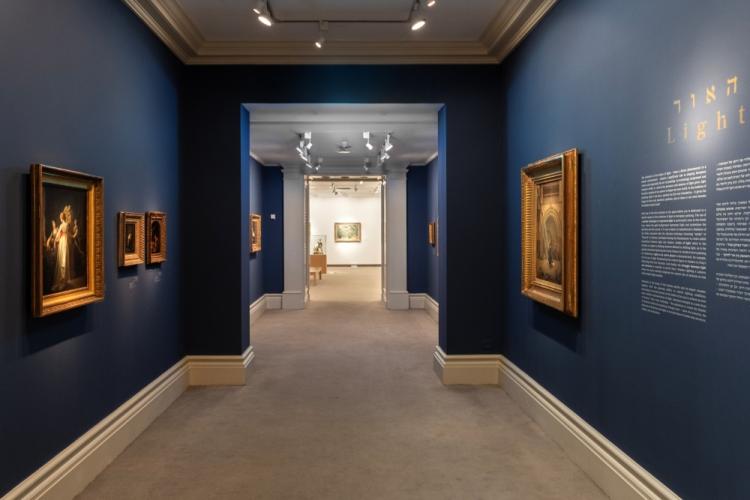
Photo © The Israel Museum, Jerusalem, by Zohar Shemesh
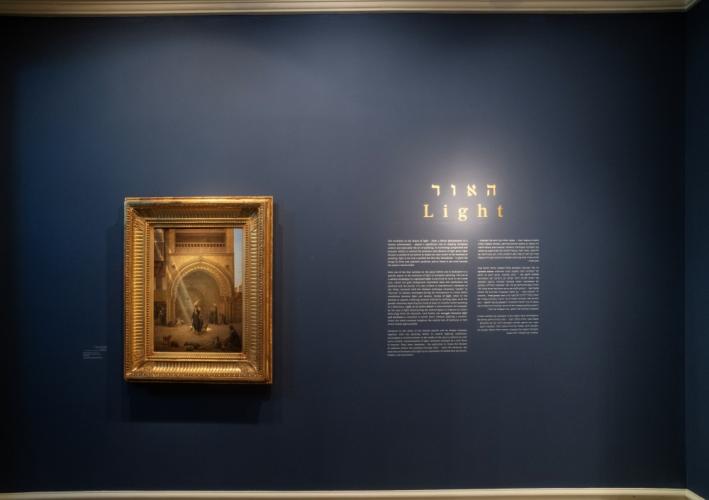
Photo © The Israel Museum, Jerusalem, by Zohar Shemesh
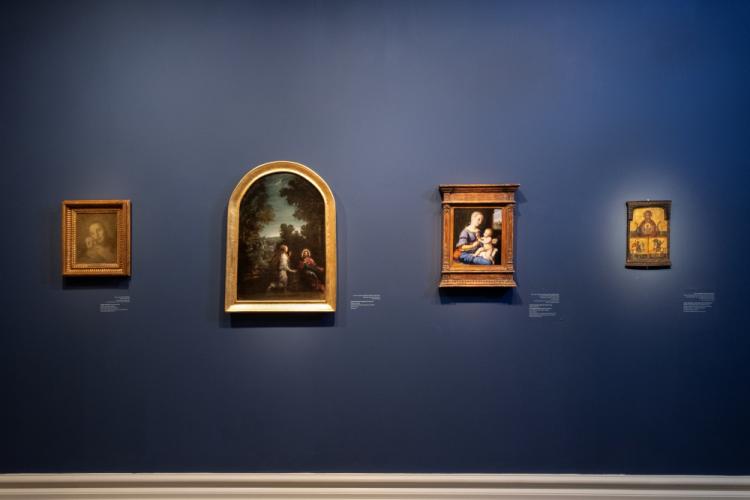
Photo © The Israel Museum, Jerusalem, by Zohar Shemesh
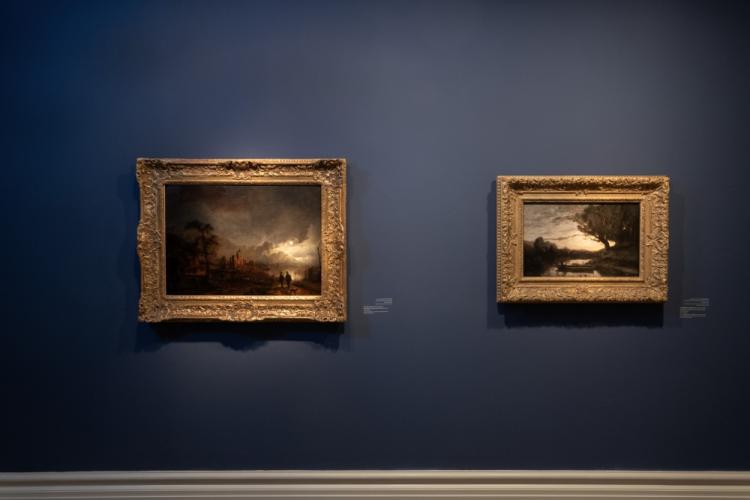
Photo © The Israel Museum, Jerusalem, by Zohar Shemesh
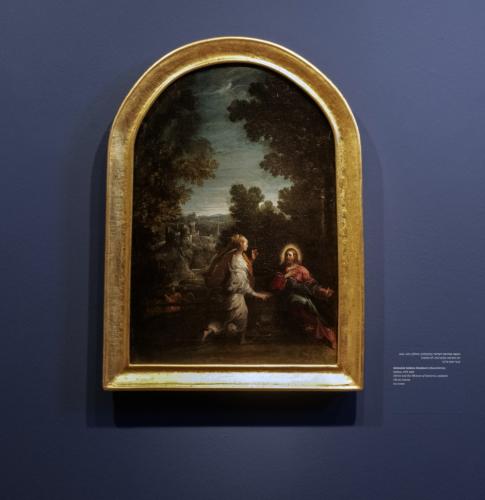
Photo © The Israel Museum, Jerusalem, by Zohar Shemesh

 Nov 02Nov 04Nov 05Nov 09Nov 11Nov 12Nov 16Nov 18Nov 19Nov 23Nov 25Nov 26Nov 30
 Nov 02Nov 04Nov 09Nov 11Nov 16Nov 18Nov 23Nov 25Nov 30
 Nov 02Nov 04Nov 05Nov 09Nov 11Nov 12Nov 16Nov 18Nov 19Nov 23Nov 25Nov 26Nov 30
 Nov 05Nov 12Nov 19Nov 26
- Nov 05Nov 12Nov 19Nov 26
- Nov 05Nov 12Nov 19Nov 26
 Nov 05Nov 12Nov 19Nov 26
 Oct 30Oct 31Nov 03Nov 06Nov 07Nov 10Nov 13Nov 14Nov 17Nov 20Nov 21Nov 24Nov 27Nov 28
- Oct 31Nov 07Nov 14Nov 21Nov 28
 Nov 02Nov 09Nov 16Nov 23Nov 30