






Rubens, Venus, and Adonis
Anatomy of a Tragedy
-
 January 10 2012 - June 9 2012
 Curator: Shlomit Steinberg
-

 drawing and painting
- : Peter Paul Rubens
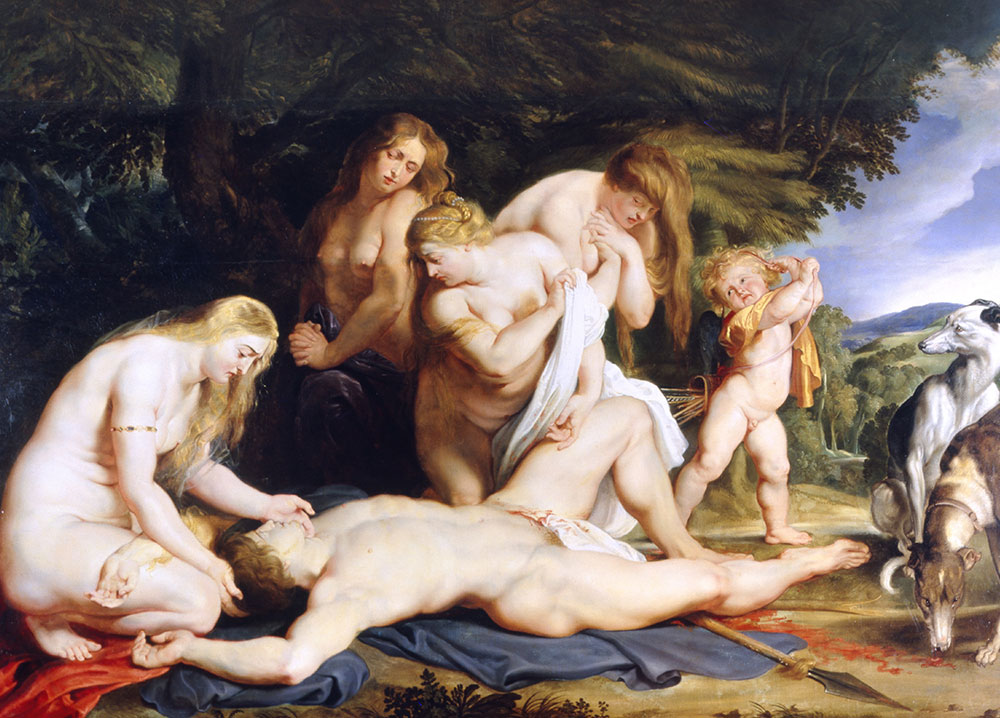
Rubens, Venus, and Adonis: Anatomy of a Tragedy examines this monumental masterpiece, analyzing its iconographic sources, composition, and place within the development of Rubens' style. For the first time, drawings, a preparatory oil sketch, and paintings and prints of the same theme by other Flemish masters of Rubens' time are brought together to illuminate aspects of Rubens' special interest in the subject of Venus and Adonis, a result of his readings in Classical literature. Twenty-five works, including nine loans from four countries, are on view from January 11 2012. Peter Paul Rubens, the Flemish Baroque master and quintessential uomo universale, is known for his large compositions, overflowing with voluptuous women, chubby cupids, and mythological characters, epitomizing the aesthetic ideals of the Low Countries in the 17th century. He was exposed to Renaissance painting, Classical sculpture and Humanist literature through his travels to Italy and Spain, and The Death of Adonis, painted around 1614, represents the luscious style he developed following a prolonged stay in Italy. The painting depicts the tragic moment when Venus, goddess of Love and Beauty, discovers the body of her handsome human lover, Adonis, gored by a wild boar while hunting and left bleeding to death. Gifted in 2000 to the Museum, The Death of Adonis presented to our local audiences for the first time the powerful imagery of Rubens at his most masterful and the classical tale of Venus and Adonis. Now chosen to inaugurate the "Focus" series, this remarkable work is illuminated by research conducted by the Museum's curators and displayed in context with related works from the Museum's and other collections. Rubens, Venus, and Adonis: Anatomy of a Tragedy presents viewers with a complete "dossier" of preparatory sketches and other works on the same subject by Rubens and his circle, as well as primary literary sources and works by other artists relating to the painting and its theme. Together, this ensemble offers a glimpse into the deeply focused process - in the artist's mind and in his studio - through which a great work of art is created.

 Sep 28Sep 28Sep 30Sep 30
 Sep 27Sep 27Sep 27Sep 28Sep 28Sep 28Sep 29Sep 29Sep 29Sep 30Sep 30Sep 30Oct 01Oct 01Oct 01
 Sep 27Sep 28Sep 29Sep 30Oct 01
 Sep 23Sep 28Sep 30Oct 05Oct 07Oct 12Oct 19Oct 21Oct 26Oct 28
 Sep 23Sep 24Sep 27Sep 28Sep 29Sep 30Oct 01Oct 02Oct 03
 Sep 01Sep 08Sep 15Sep 22Sep 29Sep 29Sep 29
- Sep 27Sep 27Sep 29Sep 29Oct 01Oct 01
 Sep 23Sep 24Sep 27Sep 29Oct 01Oct 05Oct 07Oct 08Oct 12Oct 14Oct 15Oct 19Oct 21Oct 22Oct 26Oct 28Oct 29