





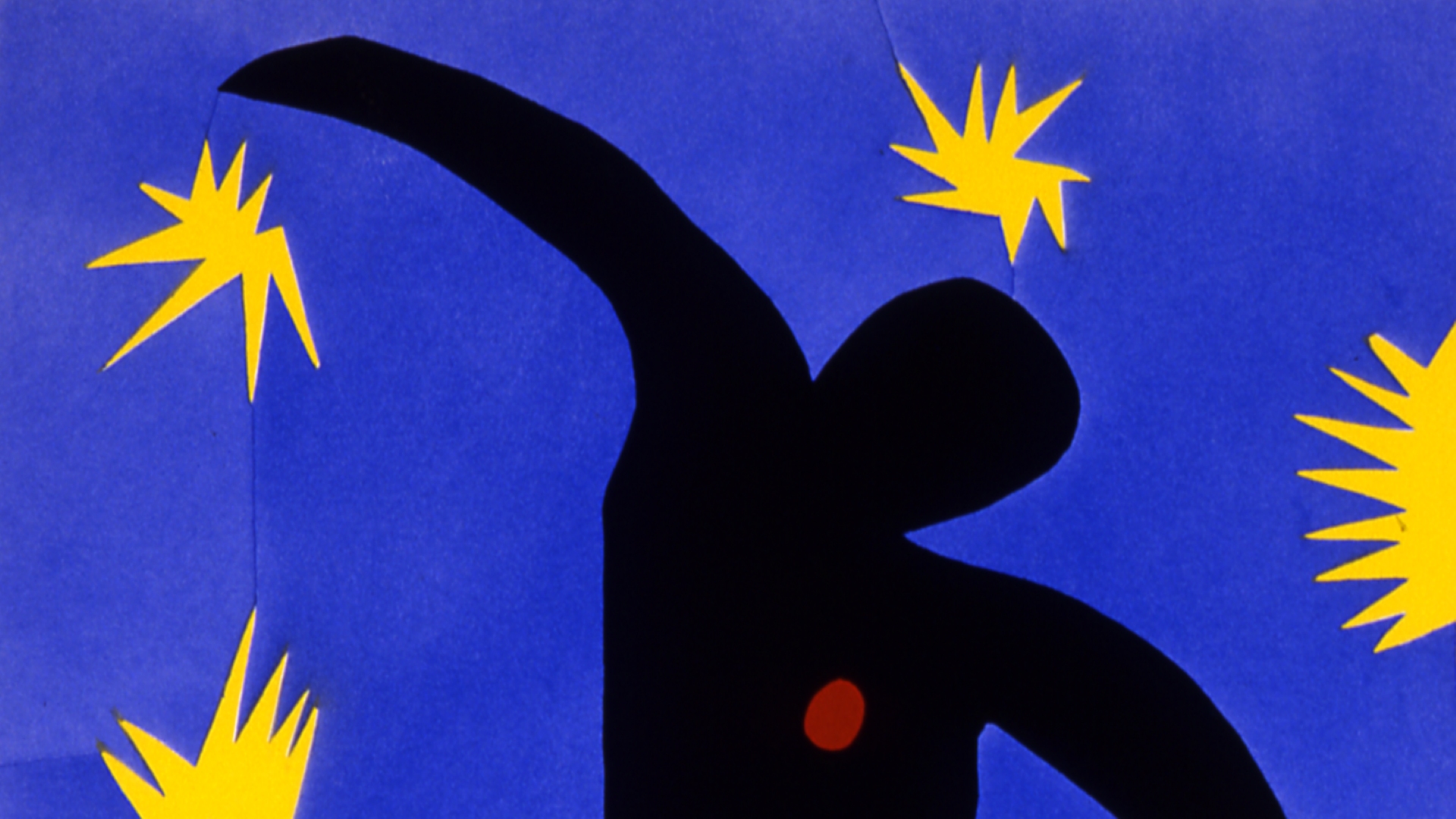


The Medium and the Message
Six Centuries of Printmaking
-
 September 9 2025 - July 14 2026
 Curator: Tanya Sirakovich
Associate curators: Lola Vilenkin, Nirit Sharon Debel-
Designer: Shirly Yahalomi
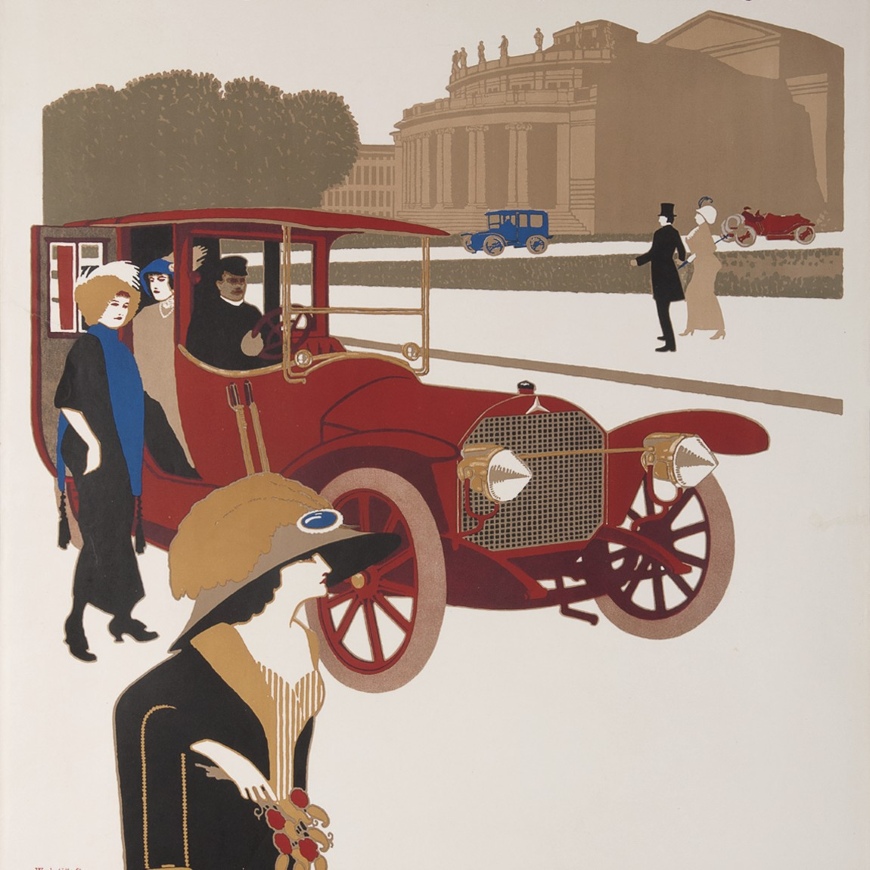
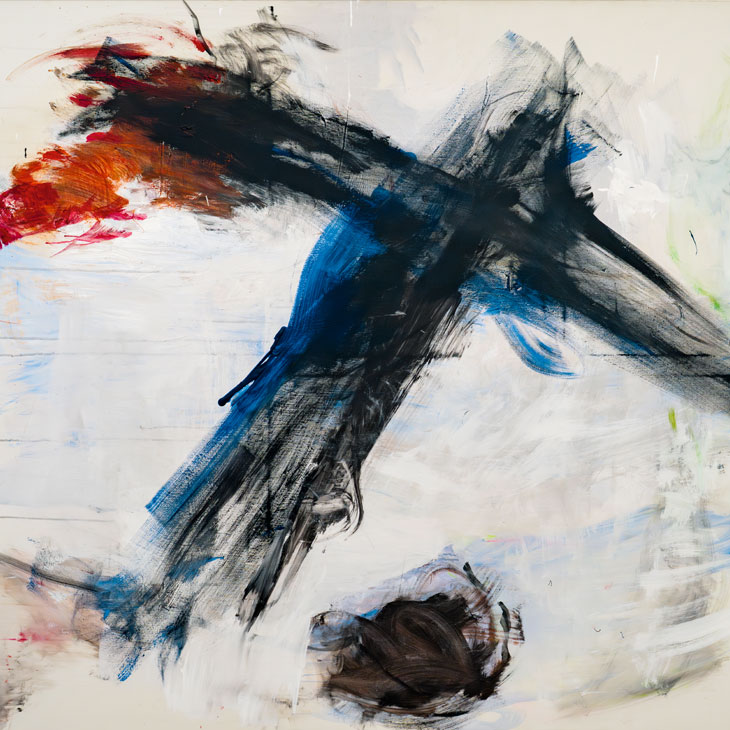
This landmark exhibition at the Israel Museum encompasses six centuries of printmaking, charting the medium’s rich history and examining its impact on art as a whole. Used at first to reproduce and circulate existing images, printmaking dramatically expanded the accessibility of visual culture. Very quickly, however, prints asserted themselves as independent art forms. Thus printmaking has uniquely provided both an affordable means of mass communication and a wealth of artworks for discerning collectors. Giving artists greater freedom to experiment with form, narrative, and content, the medium assumed center stage and in a sense became the message.
This exhibition showcases masters who shaped the evolution of printmaking. During the Renaissance, Dürer combined technical virtuosity with psychological depth in his engravings, while in the 17th century, Rembrandt gave etchings a sensitivity and emotional complexity comparable to painting. In the late 18th century, Goya’s exploration of aquatint added even more power to the expressive potential of etchings. The invention of lithography, a faster, fluid technique, extended the medium’s possibilities in the 19th century; Daumier used it as an instrument of social satire, while Toulouse-Lautrec captured the pulse of modern Parisian life. Over the course of the 20th century, printmaking evolved into a dominant vehicle for sociopolitical commentary and cultural critique. Munch and Picasso experimented with a large variety of print techniques as they tackled themes ranging from classical mythology to the inner psyche. German Expressionists harnessed the direct rawness of the woodcut to articulate feelings of personal alienation, political misgiving, and existential angst.
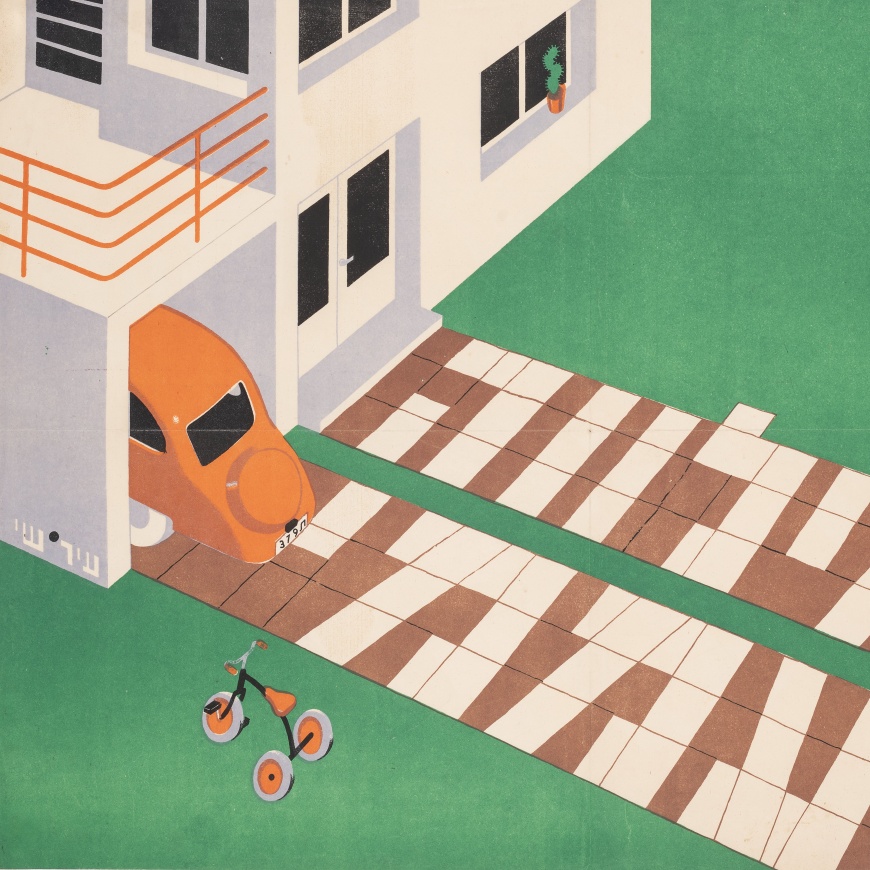
After World War II, and particularly in the 1960s, printmaking was reinvented yet again. As Pop Art engaged with mass media and consumer culture, Andy Warhol’s revolutionary screenprints led to serialized reproductions of iconic images of the day. Dissolving the boundary between high and popular culture, such serial printmaking challenged traditional ideas of originality, authorship, and artistic value. In addition, prints began to assume monumental dimensions, with enlarged prints creating immersive spatial experiences that amplify the medium’s technical reach and expressive power.
Acute responses to issues of gender and body may be found in the work of female printmakers – highlighted in this exhibition through such artists as Louise Bourgeois and Kiki Smith – as they explore identity, corporeality, and the politics of representation.
Today, printmaking continues to serve as a dynamic platform for conveying personal creativity and cultural narratives. Presented on the occasion of the Israel Museum’s 60th anniversary and featuring more than 200 exemplary works from its collection, The Medium and the Message affirms the enduring significance of printmaking and its capacity to reflect, critique, and shape the artistic transformations of its time.
The exhibition was made possible by
The Ayala Zacks Abramov Fund
The donors to the Israel Museum Exhibition Fund:
Claudia Davidoff, Cambridge, Massachusetts,
in memory of Ruth and Leon Davidoff
Hanno D. Mott, New York
The Nash Family Foundation, New York
An anonymous donor
Additional support provided by
Barbara Duberstein and Daniel Goldman, New York
Special thanks to Arik Kilemnik, founder of the Jerusalem Print Workshop, for generously sharing his expert knowledge of the medium


 Sep 28Sep 28Sep 30Sep 30
 Sep 27Sep 27Sep 27Sep 28Sep 28Sep 28Sep 29Sep 29Sep 29Sep 30Sep 30Sep 30Oct 01Oct 01Oct 01
 Sep 27Sep 28Sep 29Sep 30Oct 01
 Sep 23Sep 28Sep 30Oct 05Oct 07Oct 12Oct 19Oct 21Oct 26Oct 28
 Sep 23Sep 24Sep 27Sep 28Sep 29Sep 30Oct 01Oct 02Oct 03
 Sep 01Sep 08Sep 15Sep 22Sep 29Sep 29Sep 29
- Sep 27Sep 27Sep 29Sep 29Oct 01Oct 01
 Sep 23Sep 24Sep 27Sep 29Oct 01Oct 05Oct 07Oct 08Oct 12Oct 14Oct 15Oct 19Oct 21Oct 22Oct 26Oct 28Oct 29