







Body of Faith
Sculpture from the National Museum of India
-
 December 2 2022 - June 10 2023
 Curator: Miriam Malachi
-
Designer: Ronit Cernica
-
 Spertus Gallery
The 4,000-year-old Hindu belief system – the third largest in the world – numbers over a billion followers and is characterized by a multiplicity of gods, voices, and traditions. Its believers, concentrated mostly on the Indian subcontinent, are divided into countless groups, yet all share a responsibility to maintain the benevolent world order through their daily decisions and actions and with the help of the gods.
The 14 sculptures of deities presented here, 8 of them for the first time outside of the National Museum of India, exemplify the religious art and immensely diverse philosophy that developed on the subcontinent between the fourth and thirteenth centuries CE, under the rule of the great dynasties of the Gupta, Chola, and Pala kings. This period also saw the consolidation of the many forms of worship (puja) that confer wellbeing and spiritual meaning on the faithful and take place everywhere, at all times, in an endless number of shapes and traditions. The Hindu practitioner or religious community can pray to any god however they see fit, and even create new divine beings that will cater to a specific need, such as a rare illness that has attacked the village or a local ecological catastrophe; the gods, on their part, are obliged to respond, lest they violate the dharma – the cosmic order.
During the religious rite, the believer seeks direct contact with the god and welcomes the deity to dwell in an object – be it a sculpture, painting, or other material expression. The object, which thereby becomes a vessel of divine energy, allows the believer to see the god and be seen by him. First, preparations are made that attract the attention of god and man alike, stimulating the senses: a bell is rung, incense is spread, suffusing the shrine with its sweet smell, and candles are lit, illuminating it with their warm, gleaming light. These actions are accompanied by the singing of hymns to the deity, intended to concentrate thought. The icon is washed in milk, anointed in aromatic oils, and cleaned with water; it is then dressed in sumptuous fabrics and decorated with jewelry and garlands of flowers. In return for the god’s aid, worshippers place at the icon’s feet gifts of rice, fruit, and flowers. After the ceremony is over, the icon is emptied of the deity’s presence; thus, the sculptures displayed here are nothing but participants in a religious event that took place in India hundreds of years ago, and continues to occur, in one way or another, to this day.
The exhibition, marking seventy-five years of Indian independence, is the fruit of a first-time collaboration between the Israel Museum and the National Museum of India in New Delhi, with the assistance of the Indian Ministry of Culture and the Embassy of India in Israel.

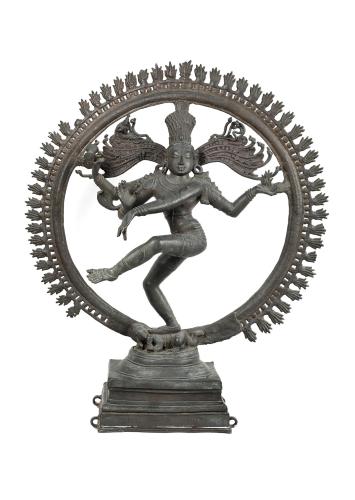
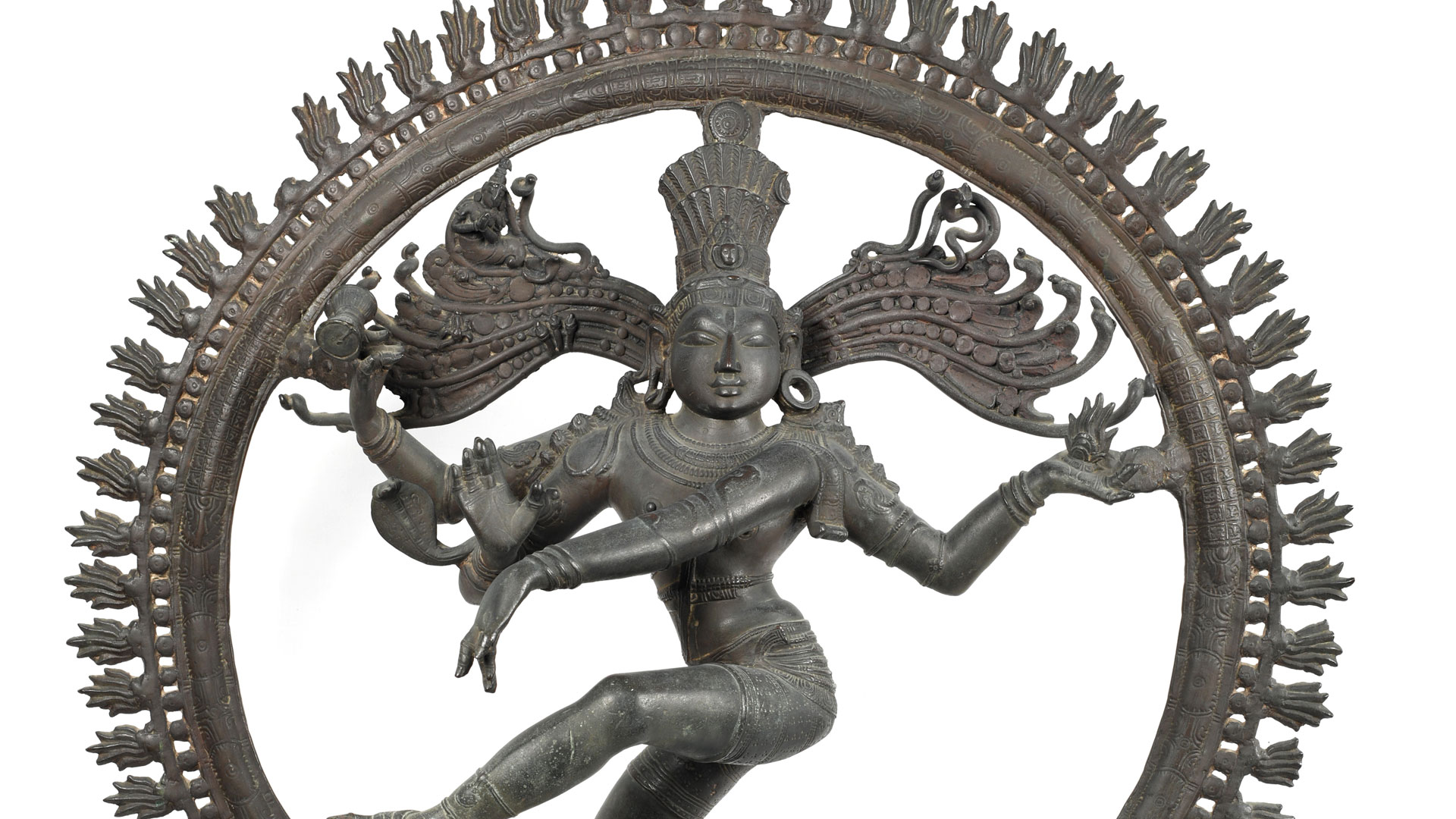
Shiva as the Lord of Dance (Nataraja)
Tamil Nadu, Chola dynasty (ca. 300 BCE-1279), 12th century
Bronze
Photo © National Museum, New Delhi
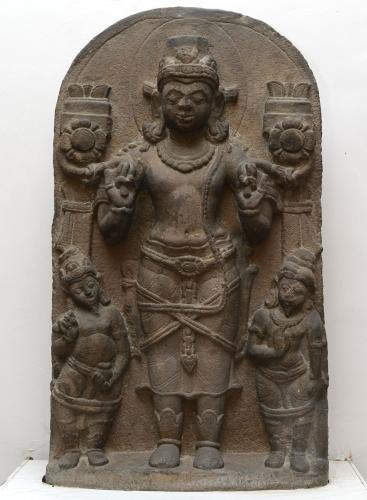
Surya, the Sun God
Kannauj, Uttar Pradesh, 8th–9th century
Porphyritic basalt
Photo © National Museum, New Delhi
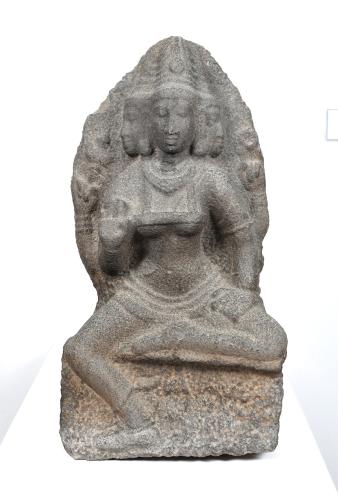
Brahmani
South India, Chola dynasty (ca. 300 BCE-1279), 11th century
Stone
Photo © National Museum, New Delhi
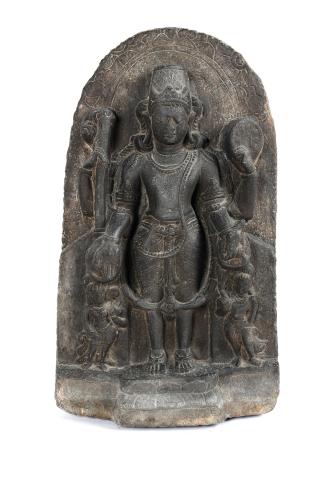
Vishnu with Companions
Eastern India, Pala empire (ca.760-1161), 11th–12th century
Stone
Photo © National Museum, New Delhi
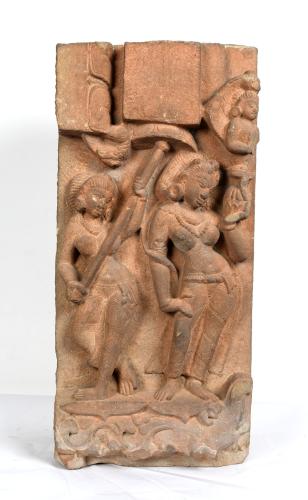
Ganga
Madhya Pradesh or Rajasthan, 8th–10th century
Sandstone
Photo © National Museum, New Delhi


 Sep 28Sep 28Sep 30Sep 30
 Sep 27Sep 27Sep 27Sep 28Sep 28Sep 28Sep 29Sep 29Sep 29Sep 30Sep 30Sep 30Oct 01Oct 01Oct 01
 Sep 27Sep 28Sep 29Sep 30Oct 01
 Sep 23Sep 28Sep 30Oct 05Oct 07Oct 12Oct 19Oct 21Oct 26Oct 28
 Sep 23Sep 24Sep 27Sep 28Sep 29Sep 30Oct 01Oct 02Oct 03
- Sep 27Sep 27Sep 29Sep 29Oct 01Oct 01
 Sep 24Oct 01Oct 08Oct 15Oct 22Oct 29
- Sep 24Oct 01Oct 08Oct 15Oct 22Oct 29
 Sep 23Sep 24Sep 27Sep 29Oct 01Oct 05Oct 07Oct 08Oct 12Oct 14Oct 15Oct 19Oct 21Oct 22Oct 26Oct 28Oct 29